Water changes a garden the way a single instrument can change a song. It softens lines, brings movement, and makes the garden feel older than it is. In Vancouver the climate and culture favor water. The damp winters let ponds, streams, and wetland gardens thrive with relatively low irrigation input, while summer evenings invite the gentle sound of running water. For homeowners and property managers in Greater Vancouver BC, a well-designed water feature can raise curb appeal, reduce stress, and even improve microclimate for plants and people. Done poorly, however, it becomes an algae-filled headache that drives costs and maintenance. This article explains how to think about water in your next landscape installation, with practical trade-offs, real-world numbers, and the kinds of decisions installers make on site.
Why water features matter in Vancouver
In this region water complements an already lush palette. Rainfall averages vary across the metropolitan area, but most properties receive plenty during the six cooler months, which helps static water bodies retain oxygen and stay cool for fish and beneficial microbes. At the same time, summer droughts can spike water temperature and concentrate nutrients, making design and circulation critical. Water features offer benefits beyond aesthetics: they support biodiversity, create cooling zones near patios, and dampen urban noise. For resale value, properties with thoughtfully integrated pond or stream systems often stand out in listings, especially where the work looks mature and intentional.
Common types of water features and where they fit
Ponds and naturalistic pools feel at home in larger yards where a slope or existing wet area can be used. Koi ponds require deeper excavation, dedicated filtration, and winter care to protect fish. Bog gardens and rain gardens suit smaller spaces or sites with seasonal pooling because they accept fluctuating water levels and use native moisture-loving plants to filter runoff.
Streams and cascades are excellent when you want sound and movement without a large standing water surface. They can be tucked along a path or cascade down a slope to a catch basin. A recirculating stream needs a well-sized pump and integrated skimming to avoid debris buildup.
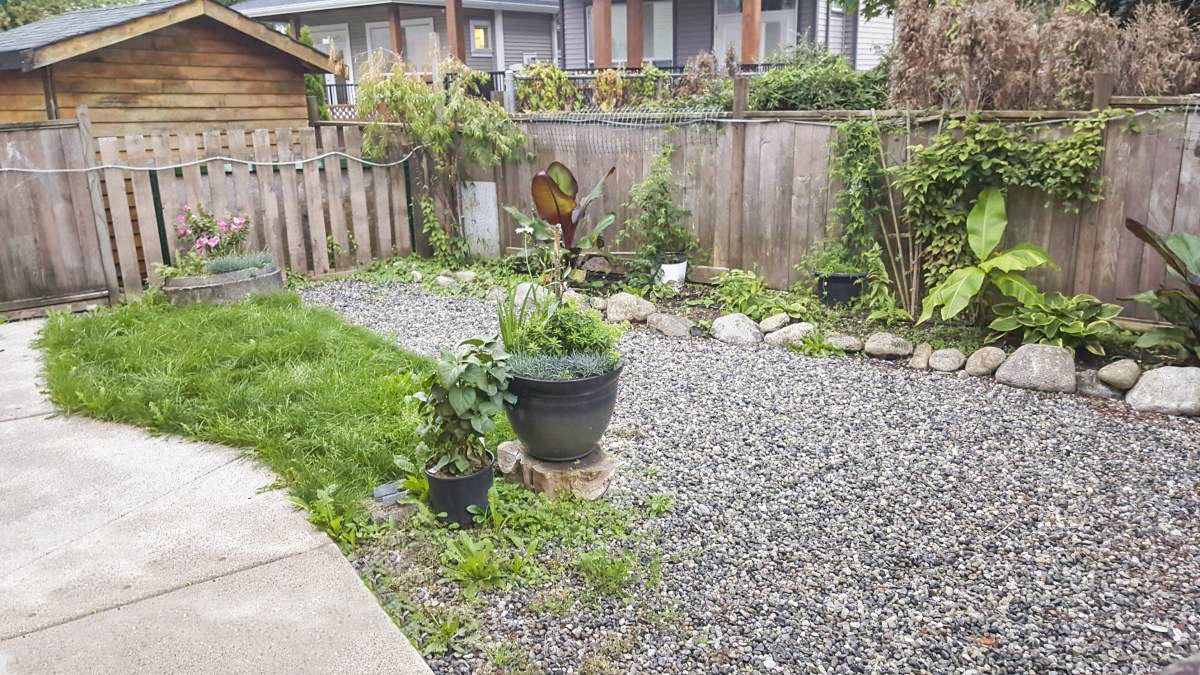
Fountains and spillways suit urban patios, rooftops, and tight courtyards where space and safety limit standing water. They require less excavation but still need access for servicing pumps and winterizing.
Making the site assessment: what really matters
A good design begins with a thorough site assessment. I’ve surveyed a dozen Vancouver properties where the initial idea of a pond had to be rethought because of soil or drainage conditions. Start by checking slope, existing drainage patterns, and the presence of tree roots. Large conifers drop needles and sap that foul pumps faster than most homeowners expect. Test soil percolation if you plan on a rain garden, and look for hardpan clay layers that will either help hold a pond or create poor drainage for planted bogs.
Sun exposure matters. South-facing pools warm faster, which helps certain water plants but worsens algae risk. Shaded pockets under trees stay cooler and are friendlier to trout or sensitive plantings, but falling leaves increase skim and maintenance. Consider proximity to utilities and access for excavation equipment. Many Vancouver properties have limited gate width or steep driveways that add to installation time and cost.
Designing for ecology and maintenance
A successful feature balances beauty with manageable upkeep. That balance is shaped by choices about planting, liner materials, filtration, and edge treatment. Naturalized edges planted with sedges, juncus, iris, and marsh marigold create habitat and filter runoff, but they also invite occasional trimming and seasonal dieback. Hard edges, such as stone coping or concrete spillways, reduce plant maintenance but sometimes signal a more ornamental, less ecological approach.
Filtration strategy depends on intended use. A decorative fountain with no fish needs only a simple pump and skimmer. A koi pond requires mechanical and biological filtration sized to the pond volume and fish load. As a rule of thumb, aim to circulate the total pond volume at least once every two hours in warm months for fish ponds. For large ornamental ponds I recommend pumps capable of moving 2 to 3 times the pond volume per hour for cascades and waterfalls, because the visual and auditory effect depends on flow, and aeration reduces stagnation.
Material choices and their trade-offs
Liners: Flexible EPDM rubber makes installation adaptable and repairs relatively simple, with life spans often above 20 years if protected from UV and punctures. PVC liners are cheaper but less forgiving to movement and roots. Concrete or gunite gives a permanent shape and works well for architectural pools, but it's expensive and requires plumbing expertise and sealing to prevent leaks.
Rocks and stone: Local basalt and granite look appropriate in Vancouver landscapes and age well, but heavy stone increases excavation needs and structural considerations. Bagged decorative stone is easy to use on terraces but can look staged if the scale is wrong.
Pumps and filters: Energy-efficient pumps reduce running costs. Expect small fountains to draw 50 to 300 watts, while larger pond recirculation systems often draw 500 to 1,500 watts depending on head height and volume. Installing variable-speed pumps can save energy and allow for seasonal adjustments. Filters with UV sterilizers reduce visible algae, but UV does not remove nutrients; plantings and skimmers handle that.
Lighting and power: Low-voltage LED lighting is the standard for safety and aesthetics. Plan conduits and access during installation to avoid later trenching. In Vancouver it's also worth considering solar pumps for small features, though they perform inconsistently on overcast days and are best used with battery backups or in conjunction with mains power.
Permits, bylaws, and safety considerations in Greater Vancouver BC
Most small water features do not require a building permit, but local municipal bylaws may have rules about fence heights around deep water, stormwater connections, and electrical installations. If you're disturbing large volumes of soil or altering drainage, you will need to check with your municipality. For projects near streams, wetlands, or trees protected by bylaws, approvals can be required and timelines extend.
Safety is often overlooked until an incident. For families with young children, fountains that keep water shallow and circulate fast are safer than large ponds. Consider childproof barriers, graded edges, or netting when necessary. Also factor in winter. Even in Vancouver, surface water can freeze in cold snaps. If fish are present, provide a de-icer or aerator to maintain a hole in the ice so gases can escape.
A practical budget framework
Costs vary substantially depending on size, materials, and access. A small backyard fountain or pondless waterfall in Vancouver often starts around CAD 4,000 to 8,000 when including excavation, liner, pump, basic planting, and lighting. Mid-size ponds with filtration and fish-ready systems commonly range from CAD 12,000 to 30,000. Large, highly detailed installations with concrete pools, masonry edges, heavy boulders, elaborate plantings, and integrated lighting can exceed CAD 50,000.
Ongoing maintenance is often underbudgeted. Plan for electricity costs for pumps, which might add CAD 100 to 500 per year depending on pump size and run hours. Replace pads, filter media, or UV bulbs roughly every 1 to 3 years. If you hire seasonal servicing, expect CAD 300 to 1,000 annually for cleaning, pruning, and winterization, depending on complexity.
Installation steps that avoid costly surprises
The following checklist summarizes an efficient installation workflow that balances design intent and real-world constraints:
Site assessment and utility locate, including soil tests and sun map; Concept design and material selection, with options for maintenance intensity and plant palette; Permits and municipal checks, plus detailed excavator access planning; Structural and hydraulic installation, liner or concrete work, pumps, and filtration; Planting, lighting, commissioning, and a written maintenance plan for the client.I include this checklist because skipping any of these phases often leads to months of rework. For example, failing to route an electrical conduit before boulder placement can mean breaking stone or re-excavating to install power, which is expensive and ugly.
Plant palettes and planting strategy
Plants do much of the filtering and give the water feature an integrated look. Use native and climate-adapted species where possible. In Vancouver that includes plants like skunk cabbage in boggy areas, hardhack for slope stabilization, and vine maple or red osier dogwood at margins for structure. Marginal plants such as iris, lobelia, and carex create a transition from pond to lawn, trap silt, and support insects and amphibians.
Avoid aggressive non-native species that can dominate shallow systems. Water lilies are popular and provide shade for fish, but choose hardy cultivars that won’t overwhelm the surface. Plan for seasonal dieback; design so decaying plant material can be removed easily from the water.
Mosquito control and water quality
Standing water brings mosquitoes if the feature stagnates. Proper circulation, surface skimming, and predatory fish like mosquito fish or goldfish help. In larger systems, introducing native dragonfly habitat by adding emergent plants and shallow shelves encourages biological control. Chemical larvicides are a last resort and generally unnecessary if you maintain circulation and biological balance.
Test water chemical balance if you keep fish. pH swings and high ammonia levels are common if filtration is undersized or if fish are overstocked. Optical cues like hazy green water suggest nutrient overload and light penetration. Address nutrient sources first: reduce fertilizer runoff and prune back leaf litter. Mechanical Landscape installations in Vancouver BC removal of algae and a partial water change can help in the short term while you rebalance planting and filtration.
Winter care and seasonal adjustments
Vancouver winters are mild compared with inland Canada, but storms and cold snaps occur. For koi ponds, maintain at least a 30 cm deep hole that does not freeze to allow gas exchange, or run an aerator to keep a hole open. Drain and winterize pumps in features that are shallow or susceptible to freezing damage. In wet months, plan for extra runoff; ponds designed as part of stormwater management should have overflow routes that do not erode adjacent landscapes.
Case study: a small urban backyard in Kitsilano
A client in Kitsilano wanted a calming feature on a narrow 30 foot deep lot with west-facing sun. We installed a 2.5 m by 1.5 m reflecting pool 60 cm deep with a basin liner, a low-profile skimmer, and a vertical spillway at the back to create sound without splashing into passersby. We used a submersible pump rated at 600 liters per hour, mounted on a removable plate for service. The edges were finished in local basalt stone and planted with a narrow strip of carex and dwarf iris. Total install cost was about CAD 8,400, including a simple lighting run. The homeowner wanted low maintenance and no fish, so we sized the skimmer and included a seasonal cleaning. The pool needs a 30 minute service twice a year and soft pruning in spring, which keeps annual maintenance under CAD 200.
When to call a professional and what to expect
Landscape installation contractors experienced with water features handle excavation, plumbing, electrical, and plant procurement. When evaluating providers, ask for portfolios of completed projects in Vancouver BC, references, and clear scopes of work detailing guarantee periods for liners and pumps. Expect a site visit and a measured drawing before a fixed quote. Luxy Landscaping, for example, lists integrated services including design, installation, and seasonal maintenance; having one contractor manage all phases reduces the back-and-forth that can otherwise delay projects.
If you aim to DIY, limit projects to small fountains or prefabricated ponds with built-in liners and pumps. Larger projects involving concrete, large stone placement, or significant electrical work should bring professionals in for safety and code compliance.
Common pitfalls and how to avoid them
Overstocking ponds with ornamental fish is a frequent mistake. Fish biomass drives filtration needs in a non-linear way, so doubling the number of fish often requires significantly larger filters. Another pitfall is underestimating leaf and debris load. Sites under mature trees require larger skimmers and more frequent cleaning; choose a skimmer with a fine basket and easy access. Finally, failing to plan for seasonal water balance causes surprises. Install an overflow routed to a permeable area or a rain garden to handle spring rains without flooding adjacent structures.
Final considerations for Vancouver installers and homeowners
A water feature in Vancouver BC can be a durable, low-maintenance, and beautiful addition to a landscape if designed with the local climate and the client’s willingness to maintain it in mind. Think ecologically, prioritize access for maintenance, size pumps and filters conservatively, and protect electrical systems. When contractors plan around local plant communities and municipal rules, the installation process flows more smoothly and outcomes last longer. The goal is a feature that feels like it belongs to the place, that invites you to sit outside more often, and that earns the few minutes per week it takes to keep it healthy.
Water is not a finishing touch. It is a living element. Treat it as such, and Vancouver gardens will reward you with sound, life, and a sense of time well kept.
Luxy Landscaping
1285 W Broadway #600, Vancouver, BC V6H 3X8, Canada
+1-778-953-1444
[email protected]
Website: https://luxylandscaping.ca/